The Problem:
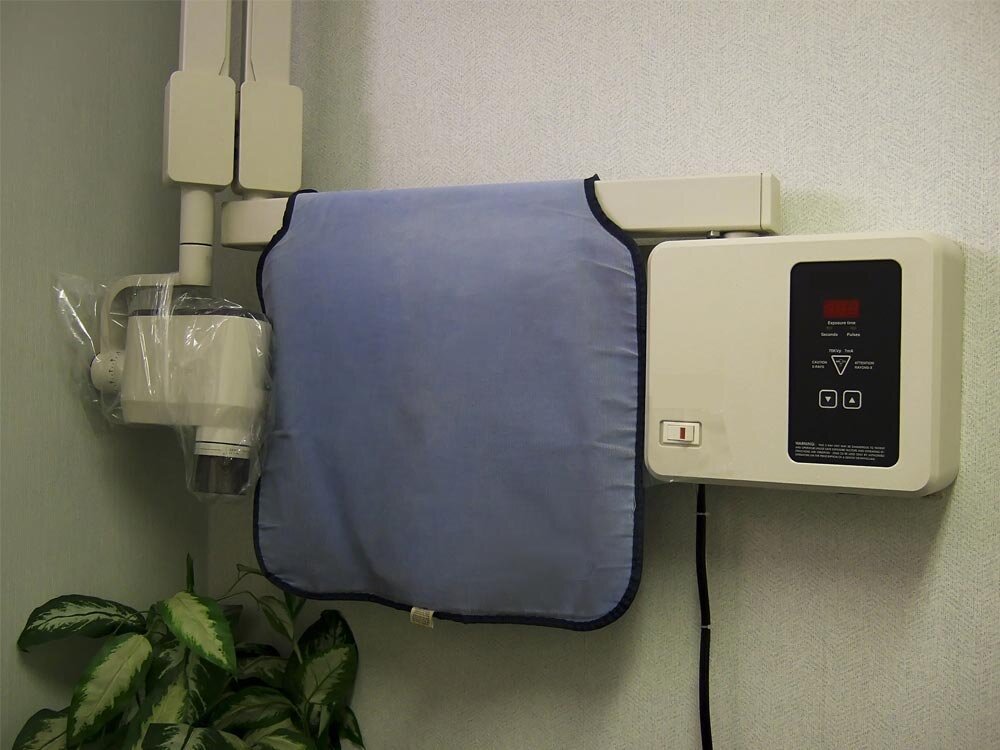
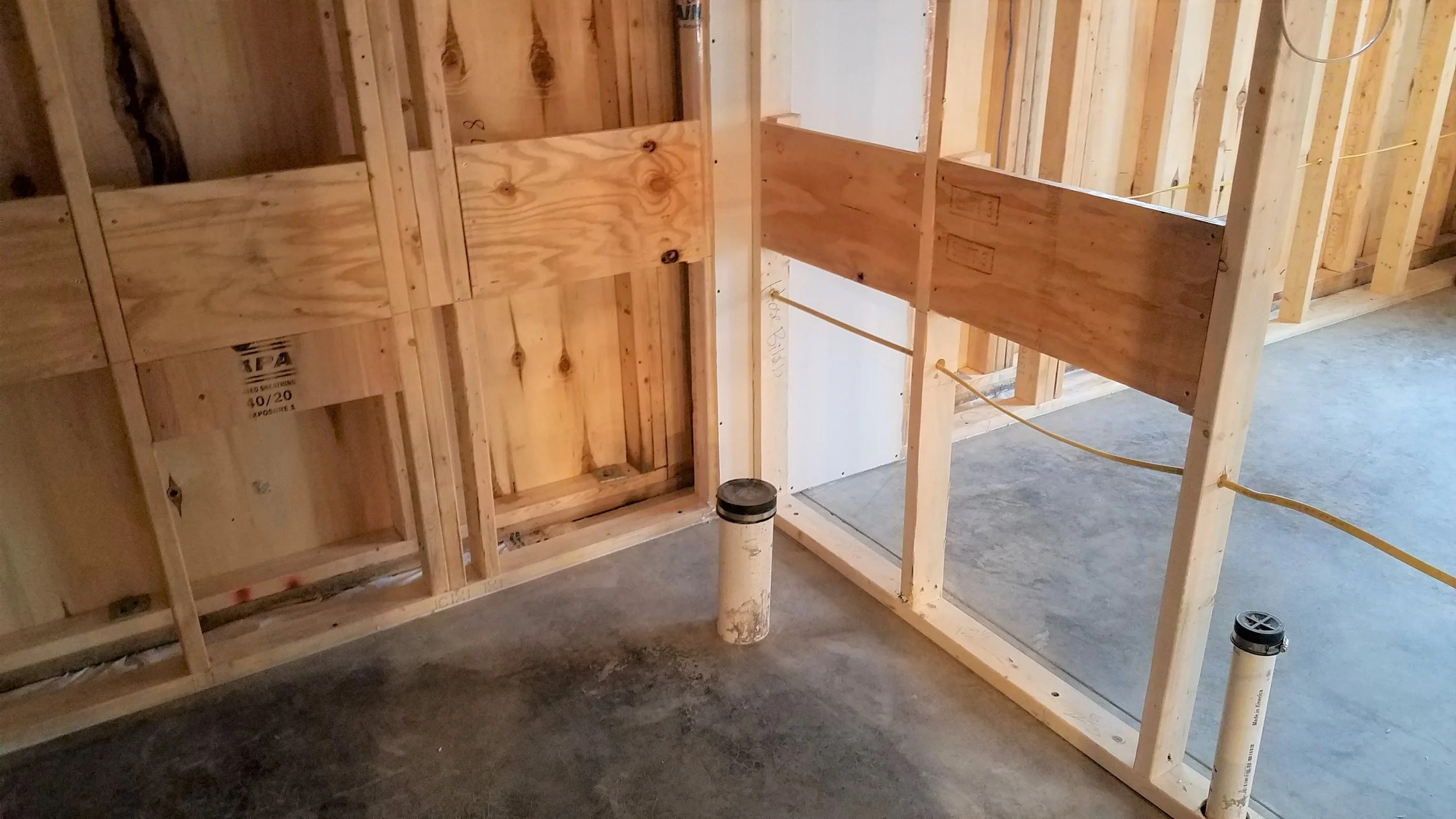
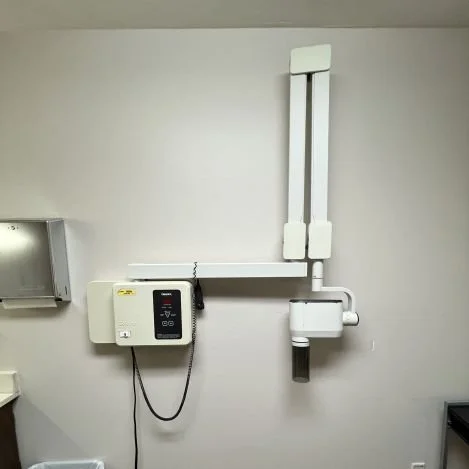
Wall-mounted units are bulky, immobile, require in-wall electric, specialty cabinetry and reinforced walls. Once in place, they are a fixture in your practice and as time goes by, they begin to look neglected and outdated. The articulating arm requires regular maintenance by the service technician to adjust the drift. When the wall unit is at its end of service life and requires replacement, the new wall x-ray’s wall mount probably does not match and requires again structural wall and electrical work. The usage of wall units are slow and cumbersome. The operator constantly walks out of the room from the patient to capture the image.
New Construction with handheld x-rays
Damage/Drops
The reason for malfunctioning of the handheld units roughly 90% is caused by impact on the unit. This impact may not cause covers to crack (visible damage), but the impact have been still strong enough to cause internal circuitry to malfunction. The other damage type that the manufacturers indicated is a liquid (disinfectant) that has seeped inside to unit into the electronics causing poor contacts. When cleaning any dental device, do not spray the disinfectant directly on the device, but use wipes that do not drip liquid inside the device. Usually, warranty does not, understandable, cover drop damages.
The Solution:
Speed of FMX:
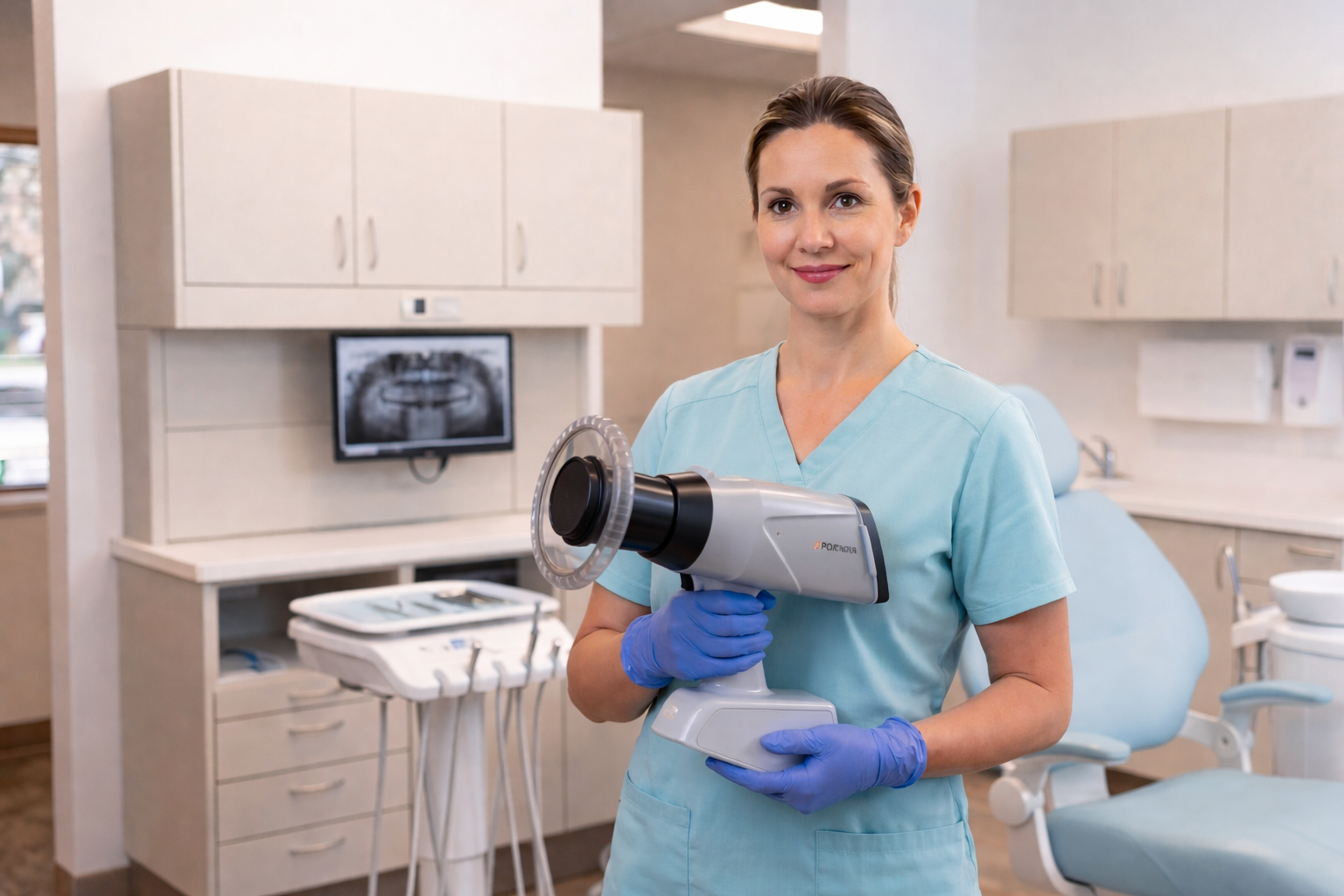
handheld x-rays eliminates the need of walking back and forth to exposure switch and aiming is much easier and faster than with wall x-rays. An average assistant can capture FMX in less 5 mins with handheld x-rays.
Easier:
An operator can position the sensor, position the X-ray, and capture the image without repeatedly walking back to a wall-mounted control or repositioning a tube arm. Shoulder strap allows operator to use both hands when positing the sensor. Newly designed handheld x-rays are intuitive to learn and use, the unit can typically be used immediately after opening the shipping box.
Construction cost and design flexibility:
Handheld x-ray do not require any wall structural prep work - no heavy wall beams and no electrical conduits needed. The operatory layout is easier to accomplish since you can utilize all walls space, especially in larger surgical suites where walls are too far to mount wall x-rays. No need to plan expensive specialty cabinets for pass-thru x-rays. And handheld x-rays can serve all operatories thus multiplying the benefits.
Cost:
Handheld x-rays are priced similarly to wall mounted x-rays, but the savings come from easier installation, less design work, no specialty cabinets need, no arms that require adjustments. Handheld x-rays durable due to Impact Guard contact cushions. and if a unit requires a service, a loaner unit can be shipped to the office - no expensive service tech visits. And you may get by with 1 or 2 units versus buying many wall mounted units.
Usage:
Handheld units can be used in: multiple operatories, hygiene rooms, mobile dentistry, nursing homes and assisted-living facilities, operating rooms, veterinary clinics, emergency or temporary treatment settings, and even in battle fields and other field operations.
Benefits of handheld x-ray generators
There are many handheld device benefits over the wall mounted x-ray generators
but we will only concentrate the main topics here.
Prep Cost
The cost of the quality handheld x-ray generator is anywhere from $4.500 to $6.500 depending which model you choose and where you get it from. The quality wall mounted x-ray generator is around $4.500 to $5.500.
Addition to purchase price of the wall mounted x-ray, you must count the wall prep costs. You cannot just install the x-ray to any wall, the wall need to get enforced to withstand the weight of the wall device when the arm is extended. Addition to strengthening the wall, you need run a dedicated power to that wall location, and you need to run low voltage exposure switch wire outside the room 6ft away from the patient location. Typically the wall device install labor is around 2 hours when all goes well.
If wall mounted x-ray is installed to center island cabinet, the enforcements are already built-in to the cabinet at the factory. These cabinets tend to cost quite a bit more than the normal dividing cabinets.
There is no installation for handheld x-rays. You just open the box, turn the unit ON and start using the device
Speed
To operate the handheld x-ray is quite a bit faster than using wall mounted x-ray. The speed comes from not needing to walk away from the patient to make the exposure as the exposure switch must be at least 6 ft away from the patient. With handheld x-ray, just position the sensor, aim the x-ray and take the x-ray. A good operator can capture the FMX with handheld x-ray in about 4 minutes versus 8 minutes with wall mounted x-ray.
Also, what makes this speed possible is that some handheld x-rays comes with shoulder strap that the unit hangs on freeing operator to position the sensor with two hands. If no shoulder strap is available, the operator needs to operate sensor positioning with one hand, or place the device on the counter top, both making the operation of the handheld device unergonomic. Shoulder strap also prevents accidental drops of the device.
Maintenance
The achilles heel of the wall mounted x-ray is the mechanical arm that is under heavy stress when extended to take x-rays. The arm may work well for the first year or so, but every arm will eventually drift. To make the adjustments to arm tension is a tedious task and sometimes impossible for the older units. The drifting makes operator work difficult causing constant cone cuts that drive doctors crazy.
Looks
There are only few wall x-rays models that look sophisticated and high tech when new. These models cost more than a typical wall mounted x-rays. Even though wall x-rays may look advanced when new, they will become an eye sore when covers are discolored and they have become a place to hung stuff. The wall x-ray needs to be placed close to patient, therefore taking space from other the devices or design elements practice would like to implement.
Battery life
All handheld x-rays can take over 300 exposures is a single charge. If you have a very busy office, and plan to take more than 300 exposures during the day, make sure you schedule charge time (30min) during the work day or get multiple devices to guarantee that you have a unit available always when needed. Remember that battery life will diminish over period of years. The weakened battery does not prevent you to operate the device, but you just need to charge the device more often. The battery replacement cost is around $300-$800, and can be done in office easily.
Duty cycle
This one is a hugely important factor. Duty cycle means how quickly can you capture subsequent images. Some manufacturers give you time in seconds before next image is possible. This time WILL increase the more images you take. This time will start low, and when the device heats up, the time increases. As an example, you may be able to take few images in 3 second interval, but then the wait increases to longer time as the unit heats up. Short exposure intervals is a nice feature if you need to capture few images (like a bitewing series) quickly, but do not expect to capture a full FMX taking every x-ray in 5 second succession.
Drawbacks of a handheld x-rays
Even though the benefits are greater than drawbacks,
it is important to understand limitations of the handheld x-rays.